
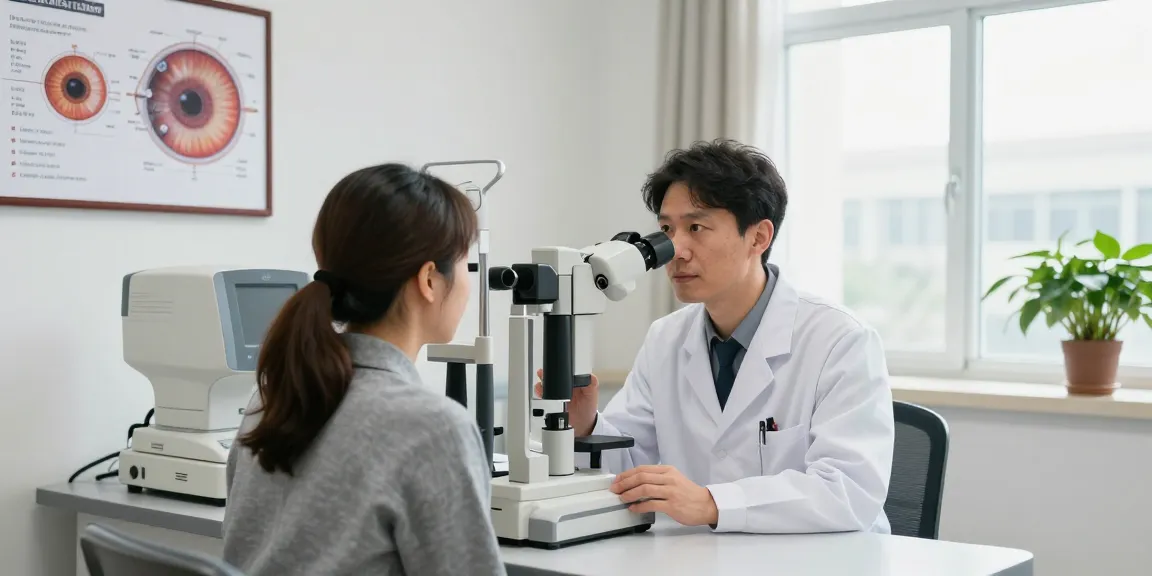
Understanding Corneal Diseases
Corneal diseases encompass a wide array of conditions that can significantly impact an individual's vision and overall eye health. The cornea, the transparent front layer of the eye, plays a vital role in focusing light onto the retina and protecting the inner structures of the eye. A range of factors, including genetics, environmental influences, and underlying health conditions, can precipitate corneal issues. In the UAE, with its unique demographic and environmental factors, understanding corneal diseases becomes imperative for both healthcare providers and patients. When considering options for treatment and management, a cornea specialist UAE can offer indispensable insights and care.
Common Corneal Conditions and Symptoms
Several common conditions can affect the cornea, including keratitis, corneal dystrophies, and infections. Keratitis, often caused by viral or bacterial infections, can lead to symptoms such as pain, redness, and blurred vision. Corneal dystrophies, which are hereditary, manifest as deposits within the corneal tissue, affecting vision quality. Symptoms may vary, with some individuals displaying minimal discomfort while others experience significant visual impairment.
- Keratoconus: A progressive thinning of the cornea, leading to irregular astigmatism and visual distortion.
- Corneal abrasions: Scratches on the cornea that can cause pain and sensitivity to light.
- Fuchs' endothelial dystrophy: A degenerative condition affecting the innermost layer of the cornea, causing swelling and vision blurriness.
How Corneal Diseases Affect Vision
Corneal diseases can lead to various visual disturbances, from minor visual impairment to significant blindness. Even slight changes in corneal shape or clarity can disrupt light refraction, thereby affecting visual acuity. For example, individuals with keratoconus often experience distorted vision due to the cone-like shape of the cornea. Regular eye examinations are essential for early detection and management of these conditions.
Recent Research Trends in Corneal Health
Research in corneal health has gained momentum in recent years, focusing on innovative treatment protocols and technologies. One area of interest is the use of stem cells in corneal regenerative therapies, which holds promise for treating severe corneal damage. Additionally, advancements in imaging technologies, such as optical coherence tomography (OCT), are enhancing the ability to diagnose and monitor corneal conditions with greater precision.
The Role of a Cornea Specialist in UAE
The role of a cornea specialist is multifaceted, encompassing diagnosis, treatment, and ongoing management of corneal diseases. In the UAE, cornea specialists not only address individual patient needs but also contribute to the broader public health landscape through education and advocacy. Their expertise is crucial in a region where lifestyle and environmental factors predispose individuals to various ocular diseases.
Education and Training for Cornea Specialists
Becoming a cornea specialist requires extensive education and training. After completing medical school, aspiring specialists undergo residency in ophthalmology, focusing on the medical and surgical treatment of eye diseases. This is often followed by a fellowship specifically in cornea and external disease, where they gain specialized skills in managing complex corneal conditions.
Services Offered by Cornea Specialists
Cornea specialists in the UAE provide a wide range of services, including:
- Comprehensive eye examinations and diagnosis
- Management of corneal diseases and injuries
- Pre- and post-operative care for corneal surgeries, like corneal transplants
- Advanced treatments such as cross-linking for keratoconus
Patient Demographics and Needs in UAE
The patient demographics in the UAE are diverse, requiring cornea specialists to be culturally sensitive and adaptable in their approaches. Common needs include addressing the high prevalence of diabetes, which can lead to diabetic keratopathy, and providing education about eye health in a region with high UV exposure. Tailored treatment plans are essential to accommodate the varying backgrounds and health profiles of patients.
Diagnosis and Treatment Options
Accurate diagnosis and effective treatment options are paramount in managing corneal diseases. Specialists employ advanced diagnostic techniques to ensure that the correct condition is identified and treated appropriately.
Advanced Diagnostic Techniques Used by Cornea Specialists
Modern technology has revolutionized the diagnostic capabilities of cornea specialists. Techniques such as corneal topography, which maps the curvature of the cornea, and pachymetry, which measures corneal thickness, are instrumental in diagnosing conditions like keratoconus and other corneal dystrophies. These diagnostic tools enable specialists to create tailored treatment plans based on individual corneal profiles.
Innovative Surgical Options for Cornea Diseases
Surgical interventions are often required for severe corneal conditions. Procedures like corneal transplantation, where a damaged cornea is replaced with donor tissue, have success rates exceeding 90% in suitable candidates. Additionally, advancements in laser surgery, such as LASIK and PRK, have provided effective solutions for refractive errors associated with corneal irregularities.
Non-Surgical Treatments and Their Effectiveness
For many corneal conditions, non-surgical treatments are effective. Treatment options include the use of specialized contact lenses, which can help improve vision in patients with irregular corneas, and medications such as corticosteroids to reduce inflammation. Furthermore, topical therapies utilizing growth factors and stem cells are emerging as promising treatments for certain corneal disorders.
Patient Care and Engagement
Effective patient care and engagement are critical components of successful treatment outcomes. Building a strong patient-doctor relationship fosters trust and motivates patients to adhere to treatment plans.
Building Trust with Patients: Best Practices
Cornea specialists can build trust by demonstrating empathy, actively listening, and providing clear explanations. Establishing rapport through patient education about their condition fosters a collaborative environment conducive to effective treatment.
Effective Communication Strategies in Eye Care
Utilizing clear, jargon-free language when communicating with patients is vital. Visual aids, such as diagrams and models, can enhance understanding, especially when describing complex procedures. Encouraging questions and providing thorough answers promotes patient engagement and satisfaction.
Leveraging Technology for Patient Engagement
Incorporating technology into patient engagement strategies can significantly improve communication and education. Telemedicine, for instance, allows for follow-up consultations and continuous monitoring of patients, particularly for those with chronic corneal conditions. Patient portals can facilitate appointment scheduling, access to test results, and tailored educational resources.
Future Trends in Cornea Care
The landscape of cornea care is rapidly evolving, propelled by technological advancements and an increasing focus on patient-centered approaches. Understanding these trends will be essential for cornea specialists and patients alike.
Emerging Technologies Impacting Corneal Treatments
Emerging technologies, such as artificial intelligence (AI) and machine learning, are beginning to play a role in diagnosing and treating corneal diseases. These technologies can analyze vast amounts of data to predict disease progression and tailor personalized treatment options more effectively.
Predictions for the Cornea Specialist Landscape in 2026
Looking ahead to 2026, it is anticipated that there will be a greater integration of telehealth services in cornea care, allowing for wider access to specialty services. Additionally, advancements in genetic therapies may emerge, offering potential cures for hereditary corneal conditions.
Adapting to Changes: Preparing for Future Patient Needs
Cornea specialists must remain agile, adapting to changes in patient demographics and health needs. Increased public awareness around eye health, particularly in relation to digital device usage and blue light exposure, will necessitate ongoing education and innovative preventive strategies.
What Should Patients Expect from Cornea Specialists in UAE?
Patients seeking care from cornea specialists in the UAE should expect comprehensive evaluations, a wide range of treatment options, and a commitment to ongoing education. As the field continues to evolve, specialists will remain at the forefront of implementing best practices and state-of-the-art technologies to ensure optimal patient outcomes.