
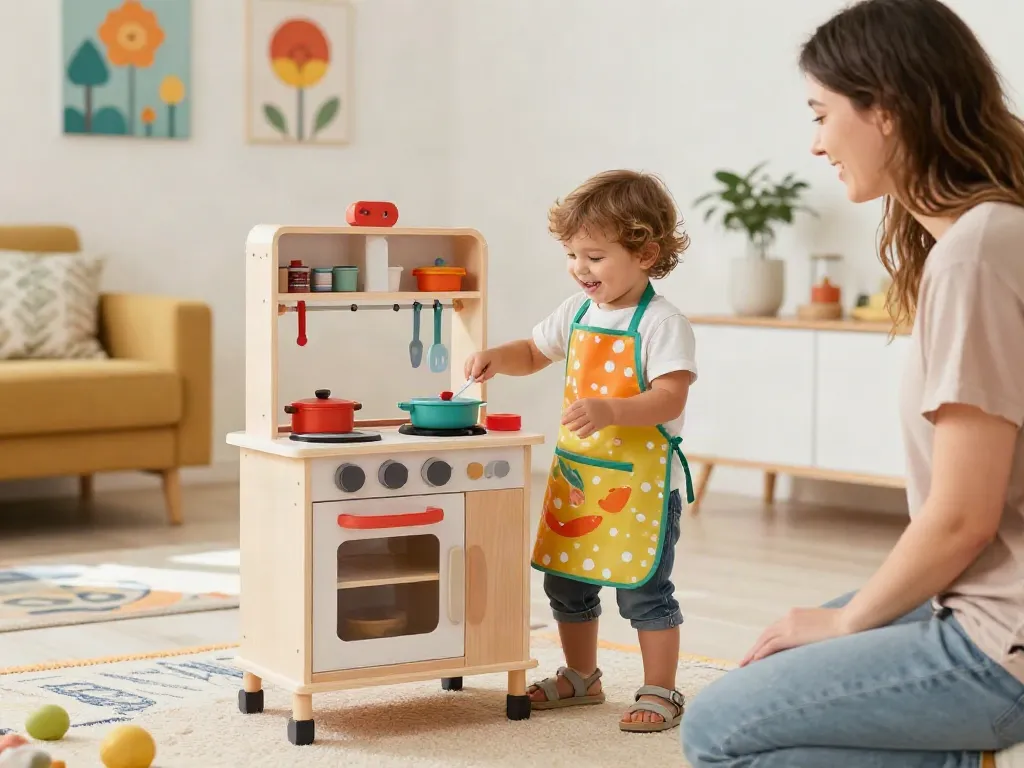
Understanding the Benefits of Toy Kitchens
Toy kitchens are not just a source of entertainment for children; they are vital tools that foster development in multiple areas. Engaging with a toy kitchen allows children to explore their creativity, learn vital social skills, and enhance their cognitive abilities through imaginative play. These miniature kitchens are designed to replicate the real cooking experience, allowing young chefs to engage in pretend meal preparation, serving, and dining, which can be both enjoyable and educational.
Why Every Child Needs a Toy Kitchen
A toy kitchen offers more than just playtime; it serves as a foundation for numerous developmental benefits. Children learn to role-play and navigate social scenarios that reflect real-life situations, thereby enhancing their problem-solving skills. The act of pretending to cook or serve food can teach them about nutrition, kitchen safety, and even mathematical concepts, like measuring ingredients.
How Toy Kitchens Promote Imagination and Creativity
Imagination is crucial for a child’s development, and a toy kitchen is an excellent springboard for creative thinking. Children can invent recipes, create stories around their cooking adventures, and even simulate restaurant scenarios. With various accessories and utensils, kids can play out countless scenarios, leading to enhanced storytelling skills and the ability to think outside the box.
Social Skills Development Through Play Cooking
Playing with a toy kitchen often involves other children or family members, making it an ideal activity for social interaction. Kids learn to share, negotiate roles, and cooperate when cooking together, which are essential skills for their future relationships. Through such interactions, they can also learn empathy, as they understand the importance of serving others and caring for their needs.
Choosing the Right Toy Kitchen for Your Child
With so many options available, selecting the right toy kitchen can be daunting for parents. However, knowing what features to look for can simplify the process. Consider factors like size, design, and material to ensure it meets your child’s needs and fits your available space.
Top Features to Look For in a Toy Kitchen
When choosing a toy kitchen, look for models that feature:
- Durability: Materials should be robust to withstand regular use.
- Realistic Accessories: Items like pots, pans, and utensils enhance the play experience.
- Size Compatibility: Ensure the kitchen fits well in your designated play area and is suitable for your child’s height and reach.
- Interactive Elements: Features like lights, sounds, and moving parts can make playtime more engaging.
Comparative Analysis of Wooden vs. Plastic Toy Kitchens
When it comes to materials, both wooden and plastic toy kitchens have their pros and cons. Wooden kitchens are often more durable and aesthetically pleasing, appealing to parents who prefer a classic look. However, plastic kitchens tend to be lighter and often come with interactive features like sounds and lights. Ultimately, the choice should reflect your child’s preferences and your family's practical needs.
Budget Considerations: Affordable Yet Quality Options
While high-quality wooden kitchens may come with a higher price tag, there are plenty of budget-friendly options that do not compromise on fun or safety. Brands like Melissa & Doug and Little Tikes offer a range of toy kitchens that cater to different budgets, ensuring you can find something that suits your financial situation without sacrificing quality.
Safety Considerations for Toy Kitchens
Ensuring the safety of a toy kitchen is paramount, especially since younger children are often the primary users. This means considering the materials and construction of the kitchen set before making a purchase.
Identifying Safe Materials and Designs
Always opt for kitchens made from non-toxic materials. Wooden kitchens should be finished with safe paints, and plastic options should be BPA-free. Check for certifications that indicate safety standards are met, such as ASTM or EN71 compliance.
Common Safety Hazards and How to Avoid Them
One of the most common hazards with toy kitchens is small parts that can pose choking risks. Ensure that any accessories included are suitable for your child’s age. Additionally, avoid kitchens with sharp edges or unstable structures that could tip over, posing a risk of injury.
Guidelines for Safe Playtime with Toy Kitchens
Establishing guidelines for playtime can help ensure safe experiences. Always supervise younger children during play, and encourage them to play in a designated area designed for active play. Regularly check the kitchen setup for loose parts or wear that could pose risks.
Enhancing Playtime with Accessories and Add-Ons
Accessories can significantly enrich the play experience, transforming any toy kitchen into an exciting culinary adventure. Consider investing in a variety of play food items, utensils, and themed accessories that can inspire even more imaginative scenarios.
Must-Have Kitchen Accessories for Ultimate Play
A complete play kitchen experience can benefit from key accessories, such as:
- Play Food: Fruits, vegetables, meat, and bakery items.
- Cooking Utensils: Spatulas, whisks, and ladles to enhance realism.
- Tableware: Plates, cups, and cutlery for serving meals.
- Cleaning Supplies: Toy brooms and dish soap to teach responsibility.
Creative Cooking Play Ideas to Inspire Action
Jump-start your child’s imagination with themed cooking nights. Organise a 'make-your-own-pizza' night where children can pretend to prepare their favourite meals. Another idea is an 'international cuisine day,' where they can explore different foods and cultures through role-play.
Organising Play Areas for Optimal Play Experiences
Creating an engaging play environment is crucial. Ensure there’s enough space around the toy kitchen for children to move freely. You might also want to set up a nearby dining area with small tables and chairs for serving up their culinary creations.
Trends in Toy Kitchens for 2026 and Beyond
The world of toy kitchens is constantly evolving, reflecting changes in society and technology. As we move into 2026, we see exciting trends that not only captivate children's imaginations but also promote educational values.
Popular Themes and Designs for Toy Kitchens
Modern toy kitchens are becoming increasingly themed, catering to the diverse interests of children. From sleek, futuristic designs to rustic farmhouse styles, the options are limitless. Themes such as "master chef" or "international cuisine" are gaining popularity, allowing for creative storytelling during playtime.
The Influence of Technology on Play Kitchen Designs
Technology is also making its way into play kitchens, with some models featuring interactive elements like touch-based sounds or app connectivity. These innovations can enhance the play experience, introducing children to basic technology concepts while they play.
Future Predictions: The Evolution of Toy Kitchens for Kids
Looking ahead, we can expect an increased focus on sustainability and eco-friendly materials in the design of toy kitchens. With parents becoming more environmentally conscious, brands are likely to respond by offering kitchens made from recycled or sustainably sourced materials, aligning play with values of responsibility and care for the planet.
What age is suitable for a toy kitchen?
Most toy kitchens are designed for children aged 2 and up. However, it’s essential to consider individual maturity levels and interests when selecting the right set.
Can toy kitchens help with child development?
Absolutely! Toy kitchens promote cognitive, social, and emotional development through imaginative play, teaching children valuable life skills in a fun and engaging way.
What are the best brands for toy kitchens?
Some of the best brands that excel in quality and creativity include Melissa & Doug, Little Tikes, and Hape, known for their innovative designs and durability.
How do I clean and maintain a toy kitchen?
Regular cleaning is essential to maintain hygiene. Most surfaces can be wiped down with a damp cloth and mild detergent. For wooden kitchens, avoid soaking them to prevent warping.
Are wooden toy kitchens better than plastic?
Both have their advantages. Wooden kitchens are generally more durable and visually appealing, while plastic kitchens can be lighter and more interactive. The best choice depends on your child's preferences and your family’s needs.